

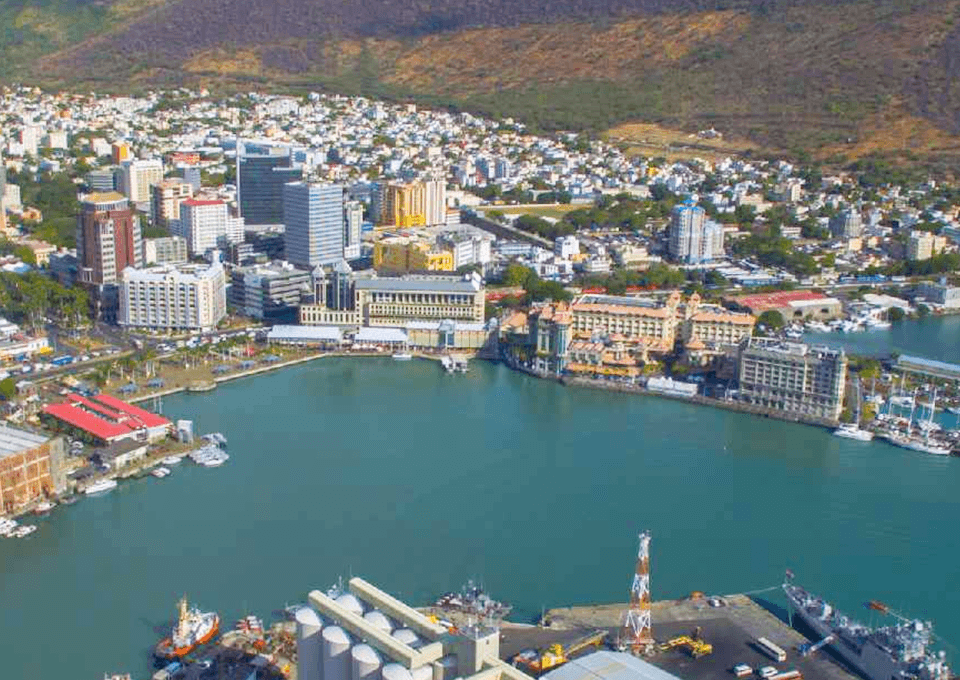
In a continent where political instability, weak property rights, and regulatory uncertainty have historically constrained real estate investment, Mauritius stands as a striking exception. The island has built, over several decades, a real estate market that consistently attracts high-quality international capital, maintains transparent pricing, provides strong legal protection for property rights, and delivers long-term value appreciation that compares favourably with established markets in Europe and elsewhere.
Understanding how Mauritius achieved this position, and what the key elements of its success have been, is valuable both for investors seeking to understand the market and for policymakers in other developing economies who aspire to replicate its achievements.
The Foundation, Political Stability and Sound Governance
The single most important factor underlying the stability of the Mauritius real estate market is the country’s exceptional record of political stability and sound governance. Since independence in 1968, Mauritius has maintained a functioning multi-party democracy, conducted regular elections that have produced peaceful transfers of power, and maintained consistently high standards of public administration by regional standards.
This political stability has created the conditions of confidence, in property rights, in the rule of law, in the enforceability of contracts, that are prerequisites for serious long-term property investment. Investors who commit capital to real estate in Mauritius can do so with confidence that the framework within which they invest will remain stable over the holding period of their investment. This confidence is rare in emerging markets, and it commands a significant premium.
The Role of the Legal System
The Mauritius legal system, which draws on both English common law and French civil law traditions, provides investors with strong protection for property rights and a well-established framework for commercial transactions. The court system, while not without its limitations in terms of case processing speed, is generally regarded as independent, competent, and accessible.
Property ownership registers are well maintained, and the process of establishing clean title to property is relatively straightforward by regional standards. The hybrid legal tradition also gives Mauritius an unusual accessibility for both French-speaking and English-speaking investors, broadening the potential buyer and investor pool for Mauritius real estate beyond what a purely common law or civil law system would provide.
Anti-Corruption Record and Its Implications for Real Estate
Corruption in the property sector, whether in the form of bribery for planning approvals, illegal title transfers, or corrupt judicial decisions, is one of the most damaging forces that can undermine a real estate market.
Mauritius consistently ranks as one of the least corrupt countries in Africa, and this record has direct implications for the functioning and integrity of the property market. Investors can engage with the regulatory system with a reasonable expectation that decisions will be made on their merits, which reduces both the cost and the uncertainty of operating in the market.
Economic Management and Its Impact on Property Values
Property values are ultimately a reflection of economic activity and expectations. Mauritius has maintained an impressive record of economic management over several decades, achieving consistent GDP growth, maintaining macroeconomic stability, building a diversified economic base, and managing public finances with relative discipline.
This economic performance has been the engine of property demand, creating employment, income growth, and the business activity that drives demand for commercial and residential space. The deliberate diversification of the Mauritius economy, from its historical dependence on sugar production and textile manufacturing toward financial services, tourism, technology, and the ocean economy, has created a more resilient demand base for real estate.
The Financial Services Sector as a Property Market Driver
The growth of Mauritius as an international financial centre has been one of the most significant drivers of demand for high-quality commercial real estate on the island.
The establishment of Ebene as a modern business district, with international-standard office accommodation, connectivity infrastructure, and business services, has created a commercial property market that attracts occupiers from across the region. This demand for quality commercial space has supported the development of an increasingly sophisticated commercial real estate market with meaningful institutional investor participation.
The Regulatory Framework for Foreign Investment
The proactive development of regulatory frameworks to attract and manage foreign real estate investment has been one of the most important contributions of Mauritius government policy to the stability and quality of the property market.
The Integrated Resort Scheme, the Real Estate Scheme, and subsequent iterations, including the Property Development Scheme and the Smart City Scheme, have created structured pathways for international capital to enter the market in a way that is transparent, well-regulated, and beneficial to both investors and the local economy.
These schemes have been refined over time in response to market experience and changing investor expectations. This willingness to adapt regulatory frameworks in response to feedback is itself a mark of institutional maturity and has been an important factor in maintaining investor confidence over the long term.
The Apavou Group’s Role in Mauritius Property Market Development
No discussion of the Mauritius real estate market’s development would be complete without acknowledging the role of long-established local developers and property groups that have shaped the physical and institutional landscape of the market.
The Apavou Group, founded by Armand Apavou and operating in Mauritius across multiple decades, represents precisely this kind of locally-rooted, long-term presence that contributes to market stability.
Groups like Apavou bring not just capital and construction capability to the market, but institutional knowledge, established contractor and supplier relationships, community trust, and a demonstrated commitment to quality that raises standards across the industry.
Their long-term presence in the market is itself a form of confidence signal for international investors who are seeking evidence that the market is trusted by those with the deepest knowledge of it.
Infrastructure Investment and Its Market Impact
The quality and trajectory of infrastructure investment has been a significant support for real estate values in Mauritius.
Ongoing investments in road infrastructure, digital connectivity, utilities, and the expansion of the international airport have maintained and improved the accessibility and functionality of the island for both residents and international visitors. These investments sustain the lifestyle and business environment that makes Mauritius attractive, and they flow through into sustained property demand.
The development of the Metro Express public transit system, ongoing coastal road improvements, and the infrastructure associated with smart city developments are current examples of public investment that will support and potentially enhance property values in the areas they serve.
Looking Forward, The Sustainability of Mauritius’s Market Position
The stability of the Mauritius property market is not a given. It is the product of consistent institutional quality, sound economic management, and active regulatory adaptation.
Maintaining this position requires continued commitment to these foundations, particularly as competitive pressures from other Indian Ocean jurisdictions increase and as the market is tested by external economic shocks.
The fundamentals remain favourable. The governance infrastructure is strong, the economic model is diversifying, the regulatory framework for real estate investment is among the most sophisticated in the region, and the commitment of long-established developers like Apavou Group signals continued confidence in the long-term prospects of the market.
A Market Built on Solid Foundations
The stability of the Mauritius real estate market is not accidental. It is the carefully maintained product of decades of good governance, sound economic management, progressive regulatory development, and the commitment of quality investors and developers who have built their businesses in this market for the long term.
For international investors seeking exposure to African and Indian Ocean real estate, Mauritius offers a combination of stability, transparency, and quality that is genuinely difficult to find elsewhere in the region.
 Previous Post
 Next Post